
Aakar Charitable Trust founded in 2003 is committed to providing water to the parched and thirsty villagers using a rainwater harvesting method of building check dams and ponds with utmost dedication and transparency. Amla Ruia, founder and chairperson of Aakar Charitable Trust, fondly known as Water Mother of India has worked tirelessly to empower rural India and raise the ground water table through sustainable rainwater harvesting structures.
Aakar Charitable Trust has since then transformed the lives of over 18 lakh villagers, once trapped in severe water scarcity and poverty.
By constructing 1,308 water bodies which consist of 814 check dams and 494 ponds Amla Ruia has rejuvenated degraded arid lands and helped to convert them into 6,72,012 of acres of irrigated farmlands.
These efforts span 1,258 villages in water deficient regions across 11 states of India.
which are Rajasthan, Madhya Pradesh, Gujarat,
Maharashtra, Uttar Pradesh, Bihar, Odisha, Haryana, Himachal Pradesh, Chhattisgarh, Jharkhand, collectively generating an annual net income of Rs. 3,475 crores year after
year.
Building check dams in water-deficient parts of rural India helps increase the groundwater table through a natural and highly effective process of
rainwater
harvesting and percolation.
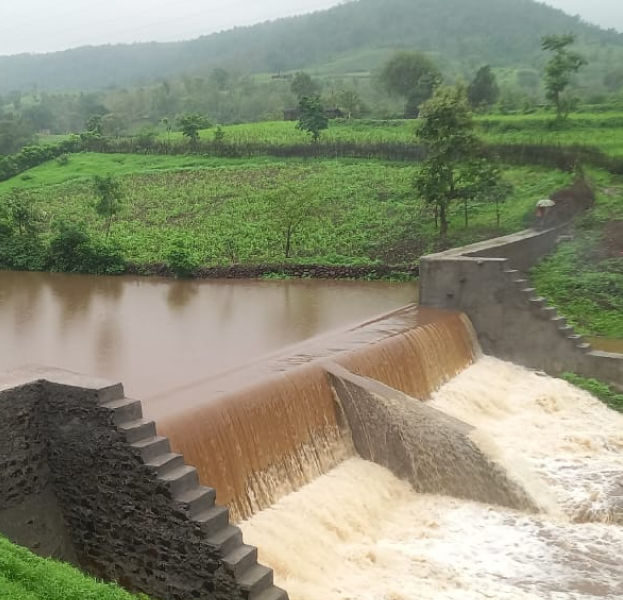
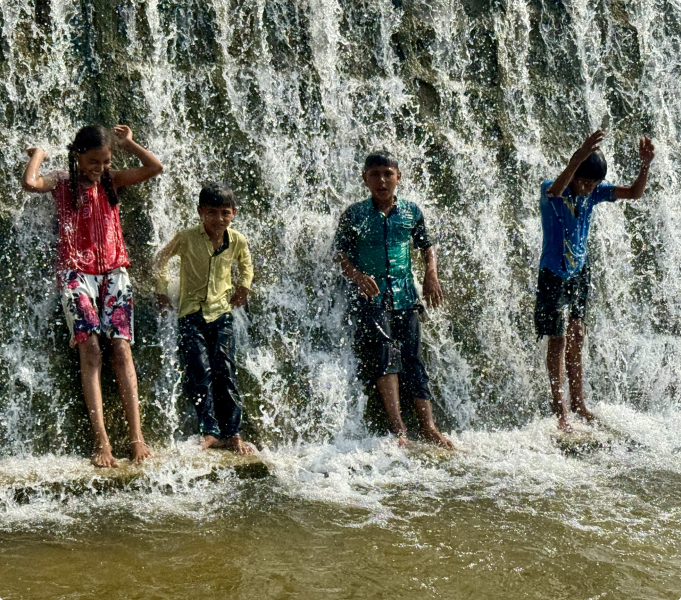
However, our dams go far beyond the common check dam because they are not at all small, some of them holding as much as 12 crore litres
of rainwater in a good monsoon. There is a significant decrease in the salt content of the well water in saline areas. In areas where check dams are unviable due to
geographical conditions, Aakar builds ponds to ensure the rainwater is captured.
Each pond constructed by Aakar generates an average annual net income of Rs. 20 lakhs between 3-4 farmers providing multiple income opportunities through farming, animal husbandry, fish farming, poultry and horticulture.
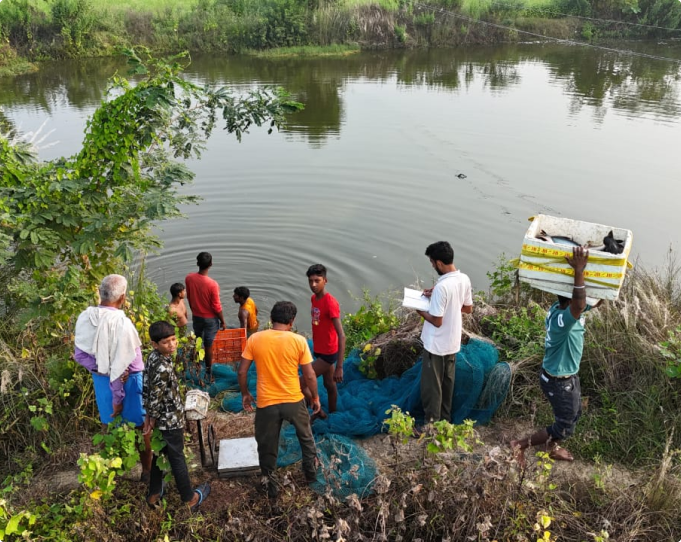
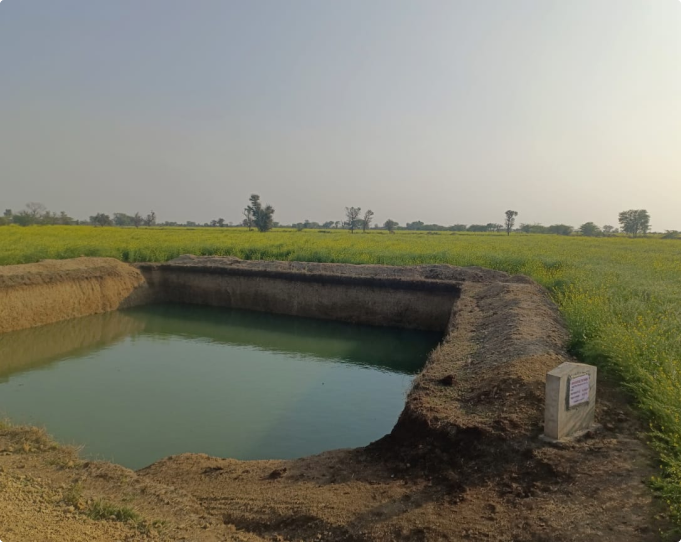
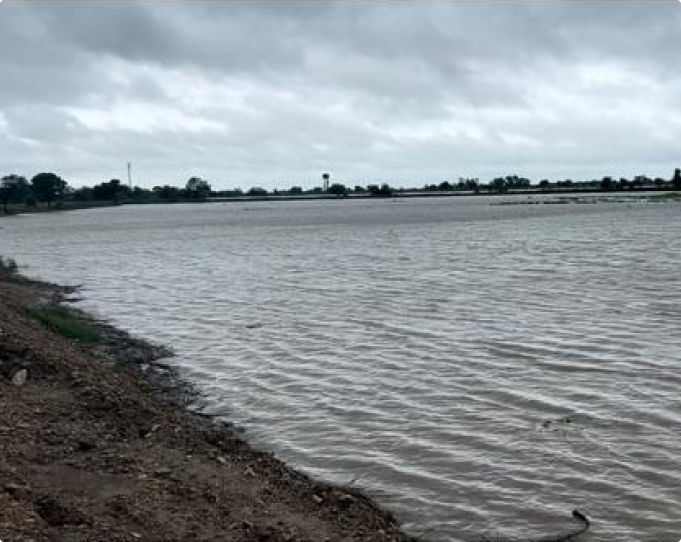
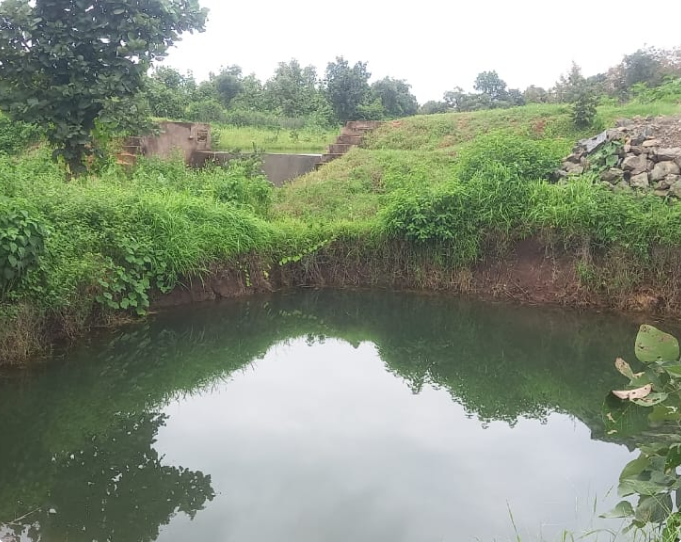
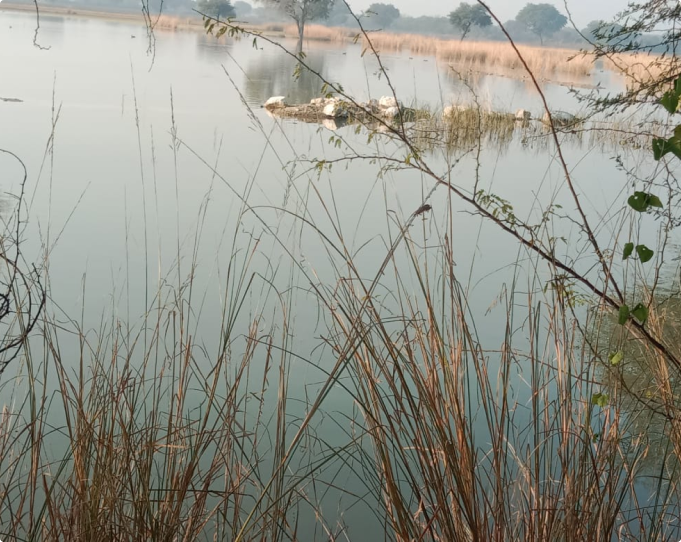
Ponds are constructed in areas where building a check dam is not feasible due to geographical or soil conditions, yet the need to harvest rainwater remains critical. They form an integral part of Aakar Charitable Trust’s water conservation efforts, ensuring that every drop of rain is captured, stored, and used effectively.
Ponds play a crucial role in strengthening rural water security and livelihoods in multiple ways.
Till the year 2025, Aakar Charitable Trust has created 555 ponds, primarily across the states of Rajasthan, Bihar, Gujarat, and Jharkhand.

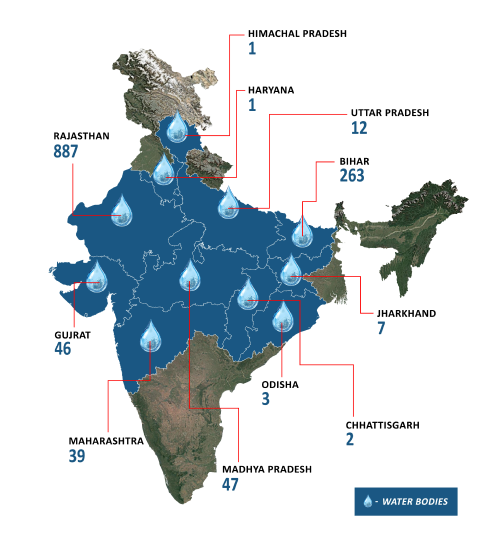
| State | Check-dams Built | Ponds Built | Water Bodies | Lives Benefited |
|---|---|---|---|---|
| Rajasthan | 689 | 198 | 887 | 15,08,634 |
| Madhya Pradesh | 47 | - | 47 | 1,17,168 |
| Gujarat | 18 | 28 | 46 | 79,832 |
| Maharashtra | 39 | - | 39 | 55,154 |
| Uttar Pradesh | 12 | - | 12 | 30,584 |
| Bihar | 2 | 261 | 263 | 56,608 |
| Odisha | 3 | - | 3 | 7,696 |
| Haryana | 1 | - | 1 | 1,640 |
| Himachal Pradesh | 1 | - | 1 | 1,240 |
| Chhattisgarh | 2 | - | 2 | 960 |
| Jharkhand | - | 7 | 7 | 136 |
| TOTAL | 814 | 494 | 1,308 | 18,59,652 |


At Aakar Charitable Trust, we believe education is the foundation of empowerment. Guided by Amla Ruia’s vision, our initiatives provide quality, value based education to children and youth in rural Rajasthan, blending modern learning methods with holistic development.
To strengthen primary education, we have partnered with Grammangal, an NGO renowned for its Teacher Training Program, which stands among the best models globally. Grammangal has developed over 800 teaching aids designed to nurture every faculty of a child. Aakar Charitable Trust has supported the construction of their hostel to facilitate teacher training and workshops.
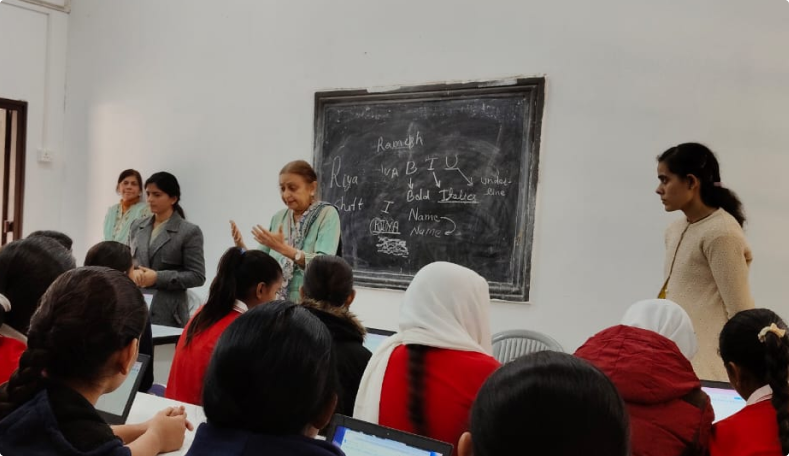
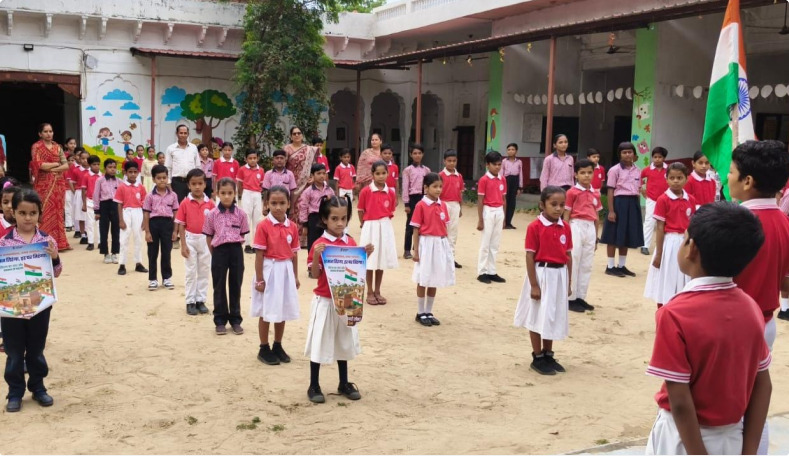
We support K.D. Ruia Balvatika, a primary school teaching classes 1 to 5. Students follow a
standard curriculum that ensures a solid academic foundation.
Amla Ruia’s Creative Contributions
Alongside regular learning, Amla Ruia develops poems, music, and audio learning materials to enrich students’ education:
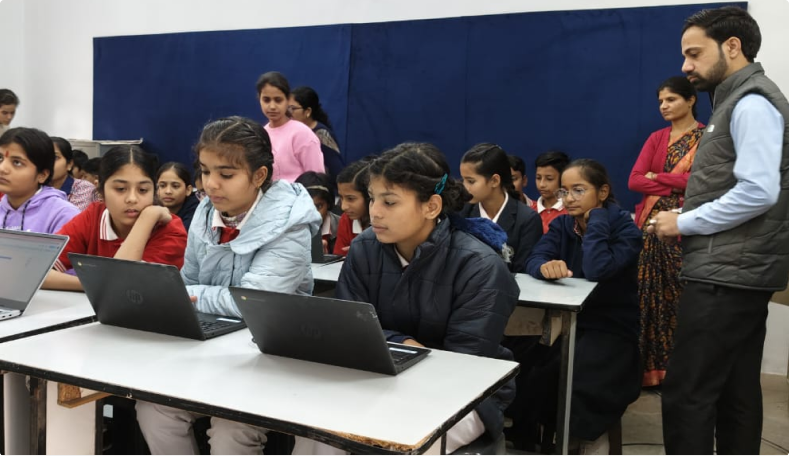
Founded in 1921 by Mrs. Suvrata Devi to promote the all-round development of girls, this school has evolved into a co-educational institution while continuing to honor its founding vision. It offers classes from playgroup to 12th, including Science, Commerce, and Arts in higher classes, along with extracurricular activities such as dance, music, sports, and digital learning. Aakar Charitable Trust and Amla Ruia continue to support and fund the school, ensuring quality education and holistic development for all students.
Aakar Charitable Trust’s commitment to social transformation extends beyond water conservation. Alongside our water conservation and check dam projects, we have created spaces that nurture the mind, spirit, and environment, from transforming neglected land into a thriving green gardens and farmlands to empowering farmers to plant tens of thousands of trees. These initiatives reflect our belief that sustainable change must grow in every direction: cultural, ecological, and educational.


Aakar Charitable Trust’s environmental efforts also extend deep into India’s rural heartlands through an
extensive tree plantation programme that began in 2008 in Neem Ka Thana Tehsil, Sikar district (Rajasthan).
This initiative emerged directly from field interactions during check dam projects, where farmers expressed
interest in planting and caring for trees.
To support them, Aakar provides plants worth up to ₹100 each. Farmers contribute by digging pits, applying
manure and fertilizer, and maintaining the saplings. If the cost of a plant exceeds ₹100, the farmer pays the difference.
During the monsoon season, plants are sourced from local nurseries based on farmers’ preferences.
Field supervisors regularly visit the sites to monitor growth and encourage proper care. After a year, data on surviving plants
is collected to evaluate impact and guide future efforts.
This initiative not only enhances soil fertility and biodiversity but also provides shade, fruit, fodder, and livelihood opportunities,
contributing to the long-term resilience of rural communities while strengthening our collective bond with nature.
Your contribution can put another tree in the ground and hope in a farmer’s hands. Support our plantation efforts and help us grow a more sustainable tomorrow.


In the heart of Mumbai, Aakar Charitable Trust transformed a long-neglected dumping ground into a lush
green sanctuary called Shantivan, an herbal garden home to numerous medicinal plants and serene spaces for workshops,
spiritual discourses, cultural programmes, and educational activities.
Within just two months, from April 10 to June 10, 2003 a garbage heap that had accumulated for decades was
converted into a vibrant amphitheatre seating 1,500 people, an open-air stage, and a landscape adorned with
four perennial waterfalls.
Shantivan quickly became a centre of learning and inspiration. Thousands of school children visit regularly to take
part in nature trails, where they learn about water conservation, environmental issues, and the healing properties
of herbal plants through interactive sessions conducted by Amla Ruia and Smt. Rima Shet.
In 2015, the Sri Aurobindo Society took over the garden’s operations and, with active support from Aakar Charitable Trust, enhanced it further. Over the years, Shantivan has hosted a wide range of cultural and spiritual events, including:
