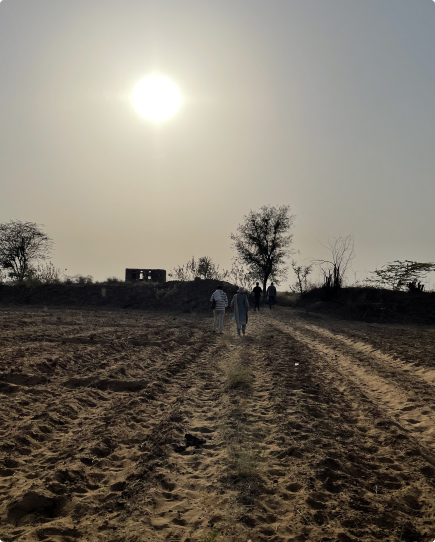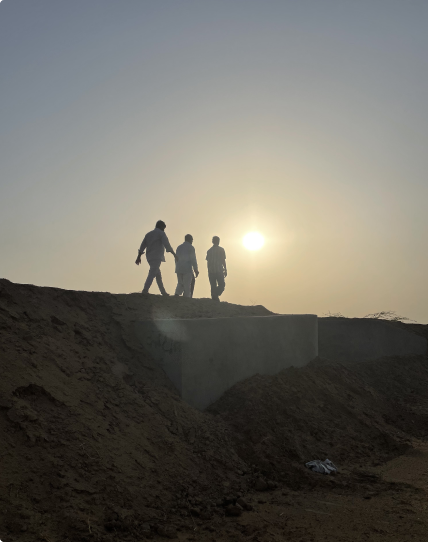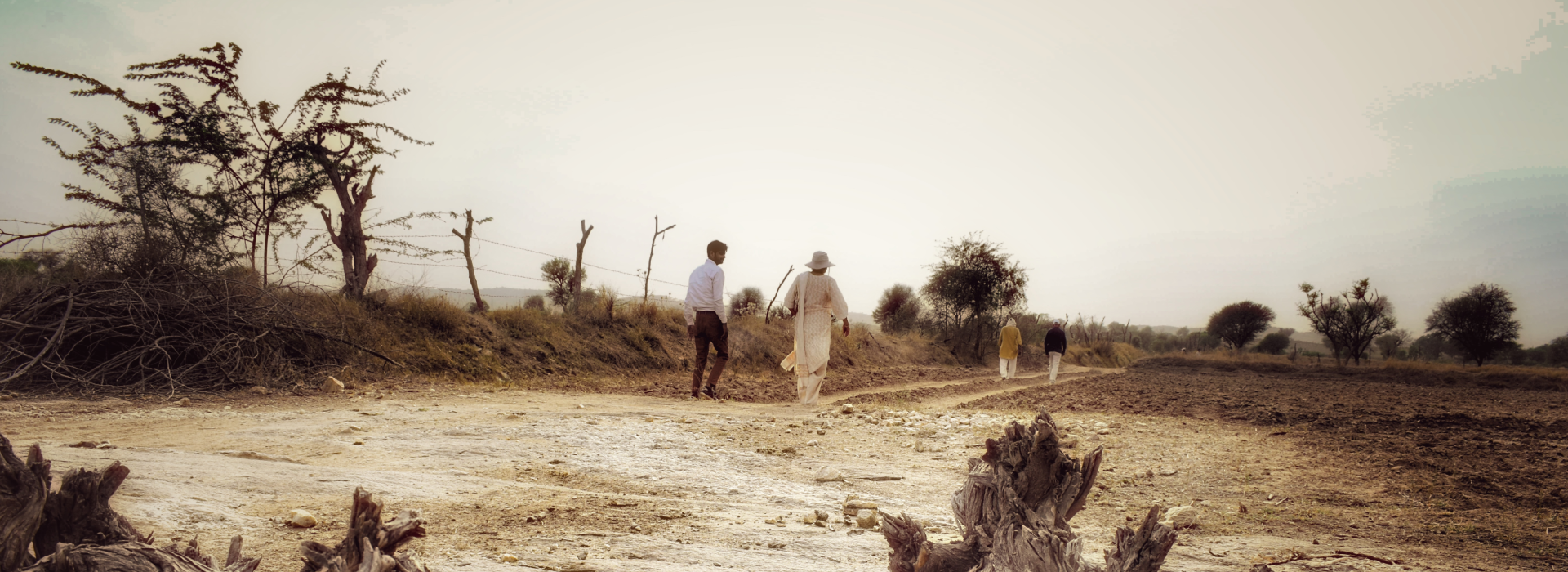
Fields lying dry and parched; villages silent and deserted; the able-bodied having left in search of work, leaving behind the old, the infirm, women, and children to fend for themselves with little or no ray of hope. Agriculture was entirely at the mercy of the monsoon and in regions with less than 12 inches of annual rainfall (mostly between July and September), that meant undependable incomes and years of hardship.
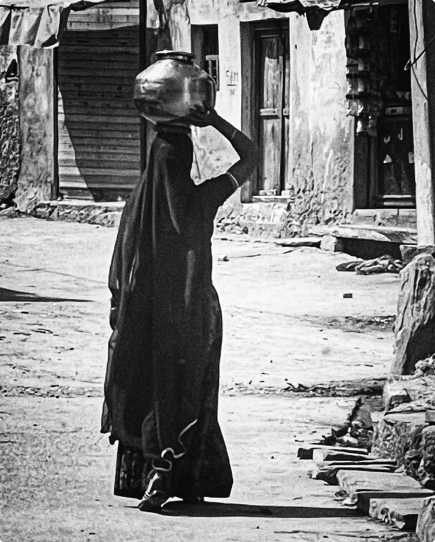
Most wells, bore wells, hand pumps dry; Women fetching water from long distances in pitchers for home consumption. Complete environmental degradation.
We, living in cities, are far removed from the ground reality of rural India. They are not living, but subsisting
in the medieval times with no infrastructure and not even the basic amenities.
Willingness of Villagers to help themselves:
The villagers have been existing in abject poverty for generations. All they need is a helping hand to pull them out of their miserable condition.
A huge plus is that they are willing to help themselves and donate up to 30% of the cost of construction.
Empowerment of Villagers:
The check dams therefore are not only a means to the revive the ecology and symbol economy of the villagers, the structures make them aware of their own strengths.
They feel they have made the check dams and are empowered to take care of their structures and maintain them. They do not wait for an outside agency to come and bail them out. when their check dams require a 2% amount of their produce for proper up keep and repair. They are so motivated that they give monetary help to people of other villages to make new check dams.
Thus they are not beggars but become kings of their own area pulling their brethren as well as themselves out of the rut of poverty.
Time & Cost of Construction:
The time required is about 1½ months for repairs and 2 to 3 months for new construction. Hence, if funds are provided,
the jobs will be completed well before this monsoon, when God willing, our structures will be filled with water.
On average a large structure would cost around Rs.7 to 8 lakhs of sponsor’s funds and an additional 30% of the villagers’ contribution.
Sometimes structures that are strategically placed to impact 5 to 7 and more villages, the costs can be as high as Rs. 25 lakhs.
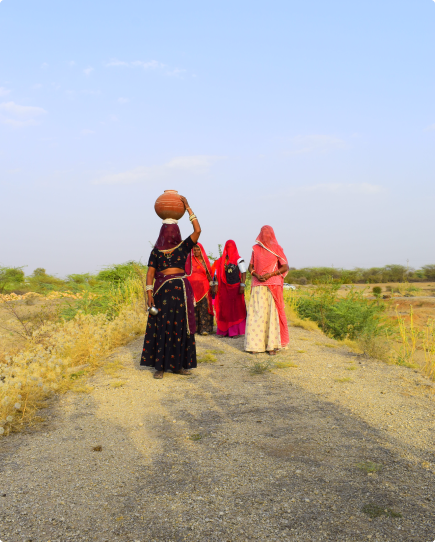
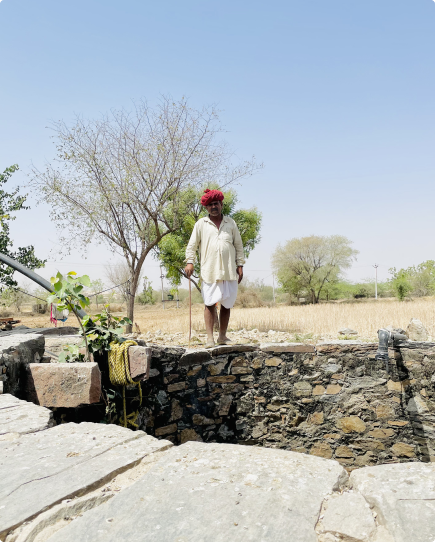
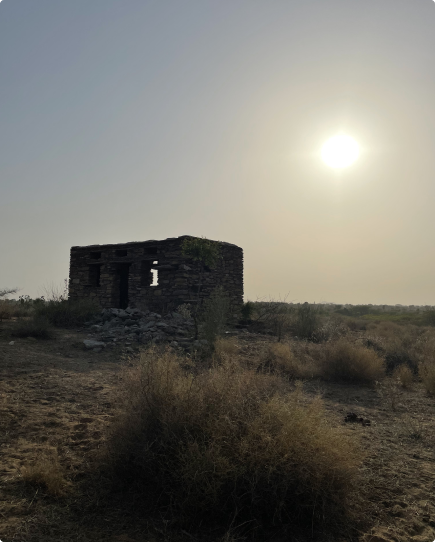
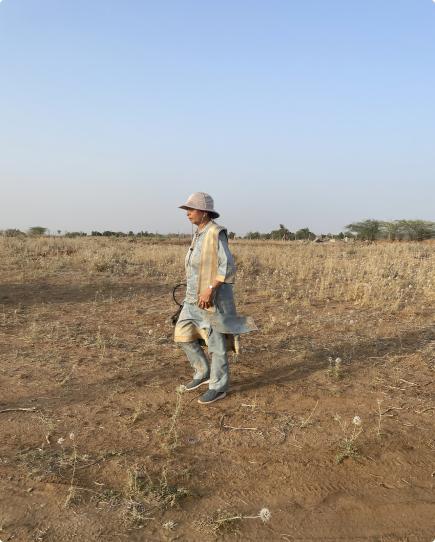
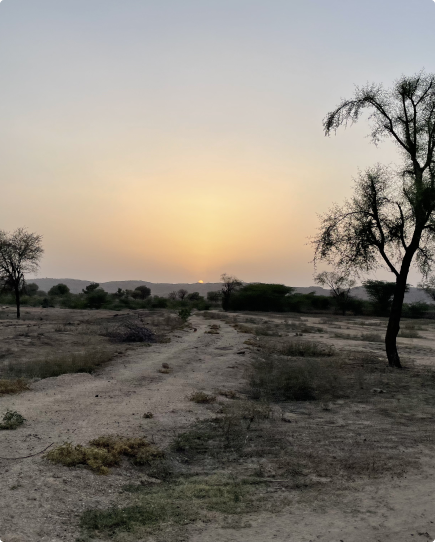
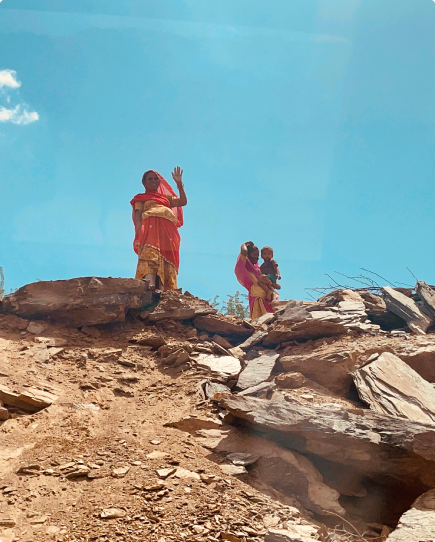

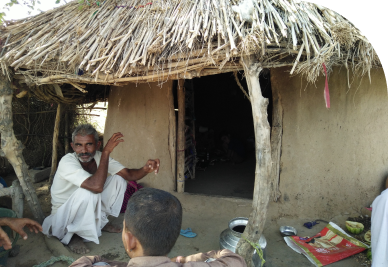
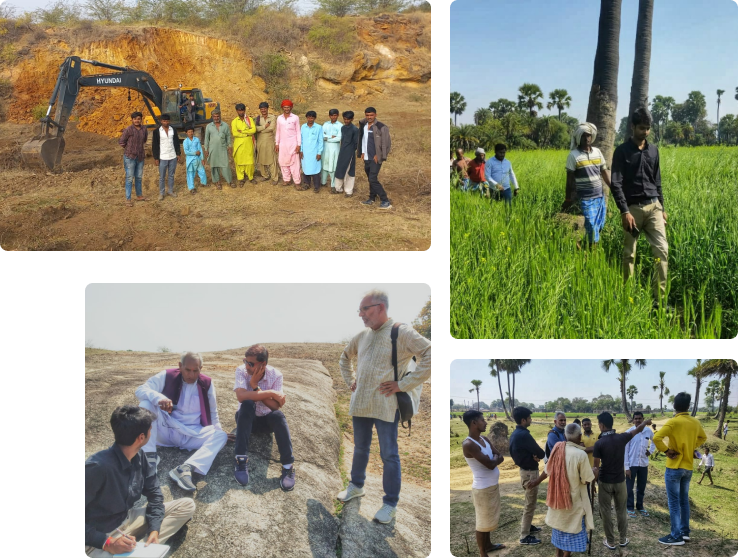
Our karyakartas first connect with the local community to understand their water challenges. They work closely with villagers, offering support and building trust through consistent involvement. Once the rapport is built, the villagers guide us in selecting suitable sites and participate in every stage of the decision-making.
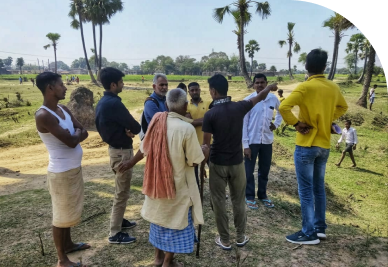
Experienced experts who have worked on thousands of water harvesting structures visit the location for technical assessment. They study the topography, water flow, and local conditions in consultation with the villagers. The community’s traditional understanding of the land is combined with expert guidance to finalize the design.
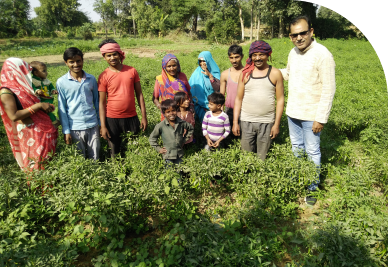
A village-wide meeting is held to explain that the project will succeed only if everyone participates actively. The villagers contribute stone, water, and one-third of the digging and compacting work. Aakar provides the JCB, cement, skilled masons, and other required resources for completing the structure.
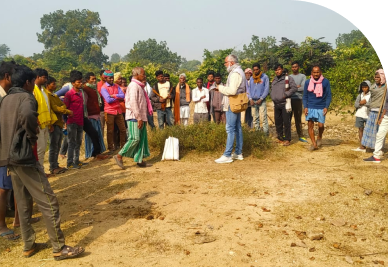
Before moving forward, we ask the village to commit to ending harmful practices that affect their progress. They are encouraged to give up child marriage, dowry, mrityu bhoj, alcohol, and tobacco. Only when the community agrees to these reforms do we proceed with the project.
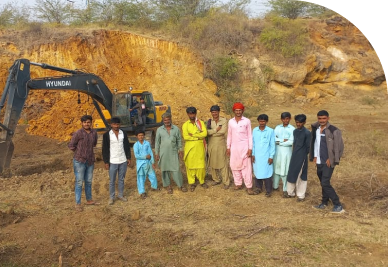
Once the commitments are in place, we encourage the villagers to begin collecting the stone required for construction. As soon as they gather the material at the site, we immediately deploy the JCB to start the foundation digging. From this point on, the work continues without delay, with villagers and our team working together.
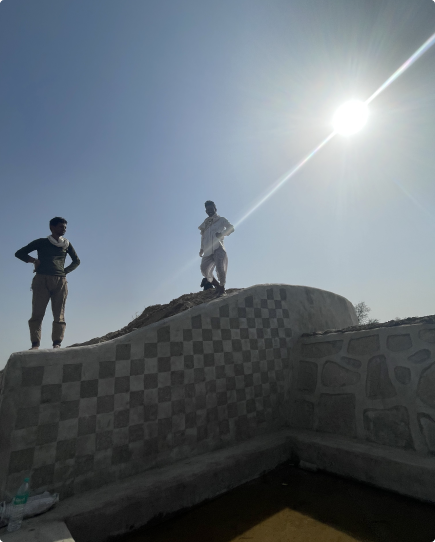
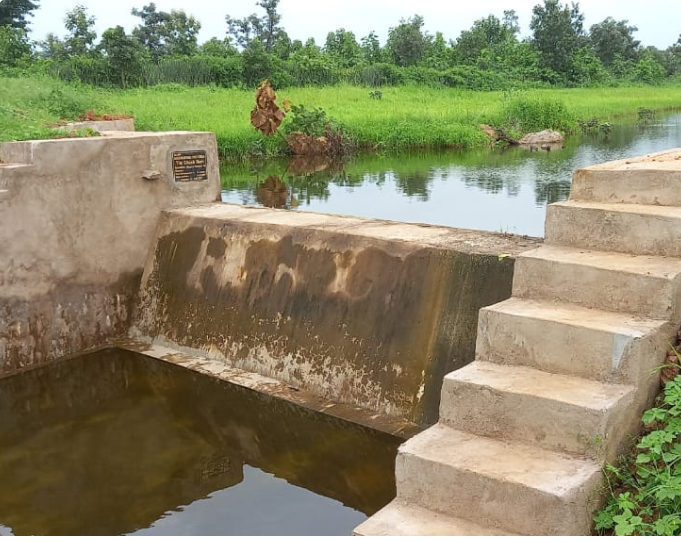
A check dam is a strategically built small permanent structure, which acts as an obstacle for rainwater
gushing down the hillside thereby creating a reservoir. The structures consist of a relatively small masonry
headwall which acts as a spill weir to remove excess water from the dam and extensive earthen embankments
flanking the headwall on both sides enabling them to hold huge quantities of water. The overflow of rainwater
becomes a streamlet emerging from an erstwhile barren village which continues to flow for several months finally
pouring its bounty in the revenue map rivers of the vicinity.
Aakar Charitable Trust’s check dams are designed to:
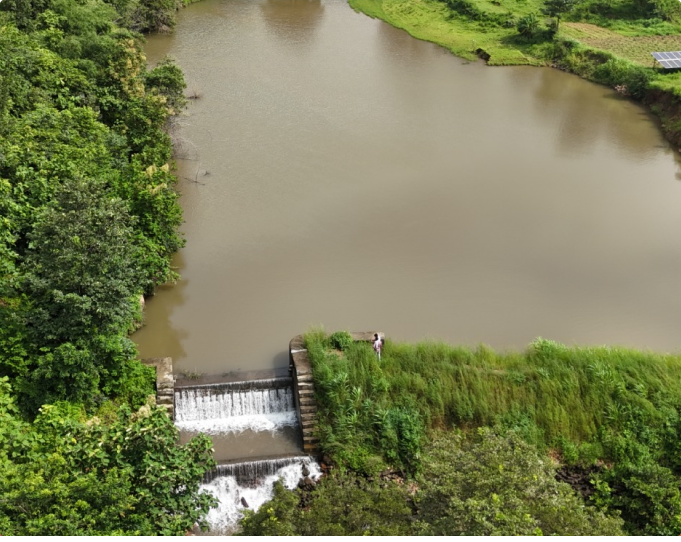
Where building check dams is not possible due to geographical constraints, such as the absence of a suitable water channel
or rocky terrain, Aakar Charitable Trust constructs ponds instead. These ponds serve as large rainwater harvesting structures,
storing water for agriculture, livestock, and household use, and providing the same long-term benefits of water security.
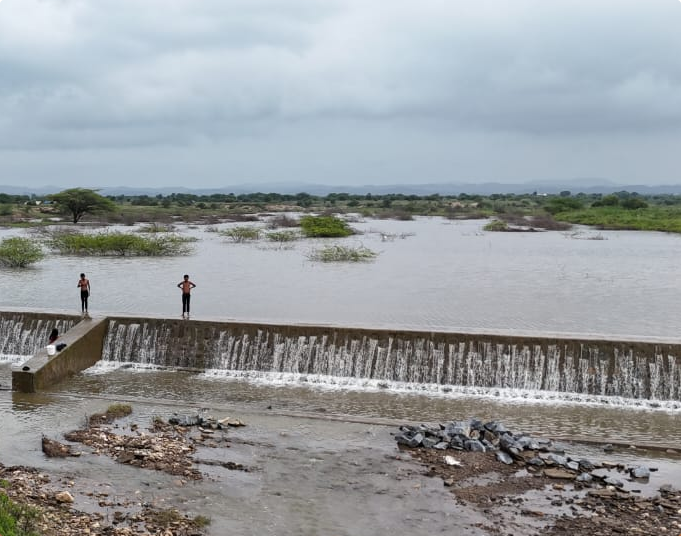
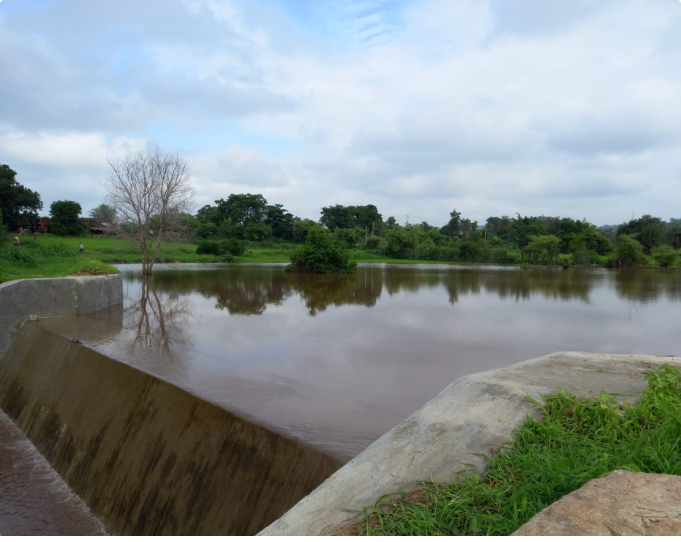
Each dam holds millions of litres of water — some as high as 12 crore litres — ensuring a reliable local water source.
Check dams naturally recharge nearby wells and handpumps, providing sustainable access to clean water.
With water available throughout the year, farmers can grow multiple crops annually, improving food security and income.
Each dam holds millions of litres of water — some as high as 12 crore litres — ensuring a reliable local water source.