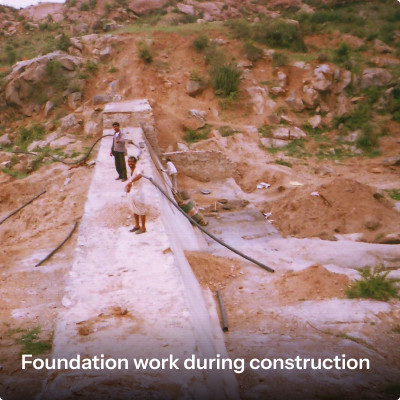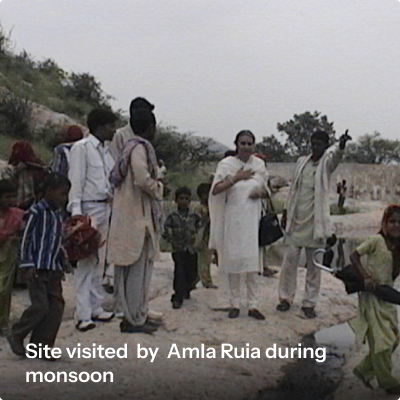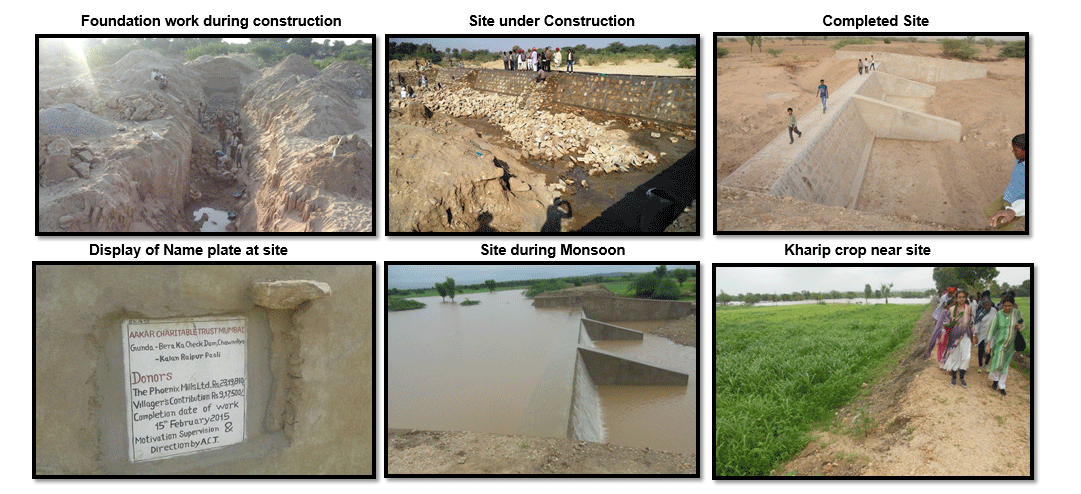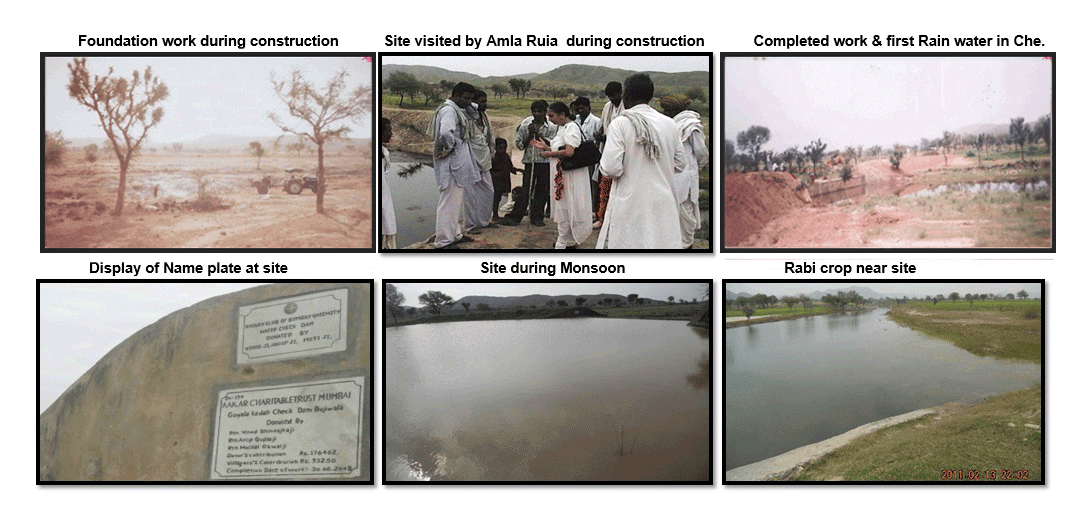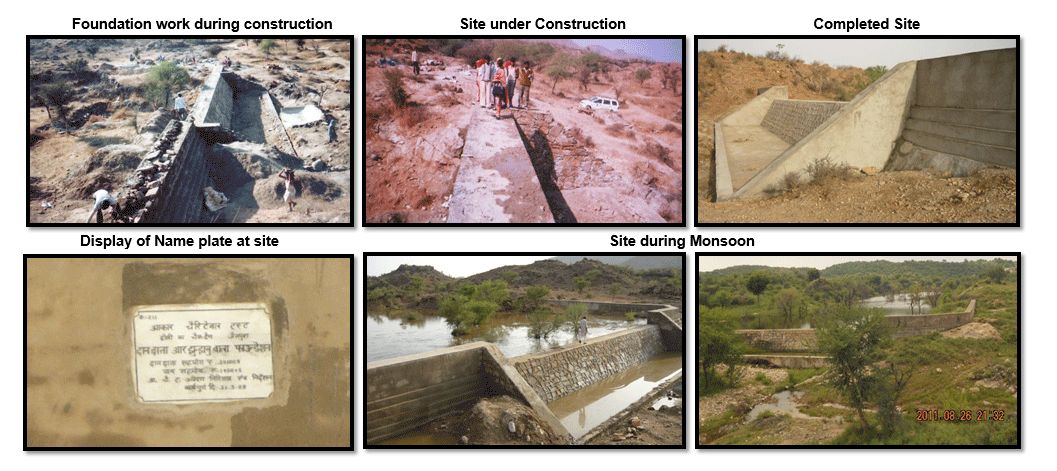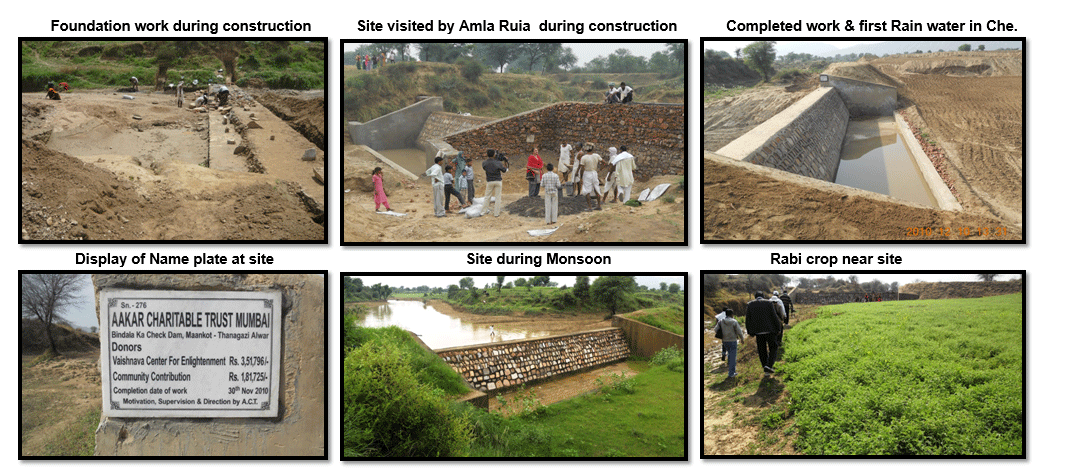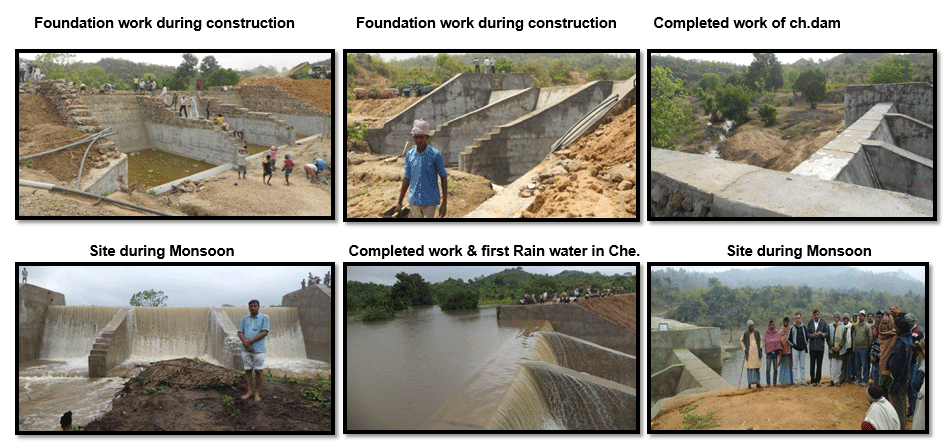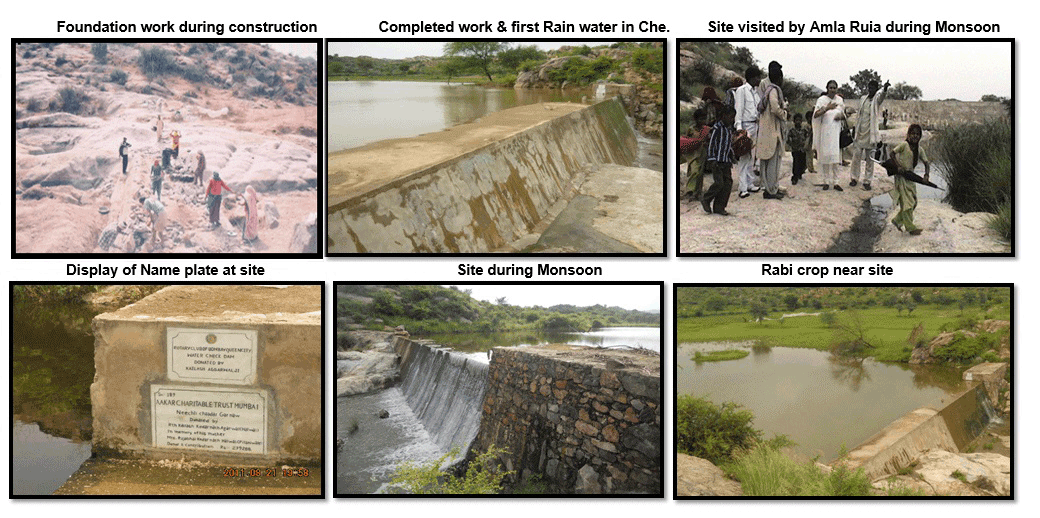
Rani Bandh, Village Kalakheda :
Tehsil- Neem ka Thana, District- Sikar, (Rajasthan)
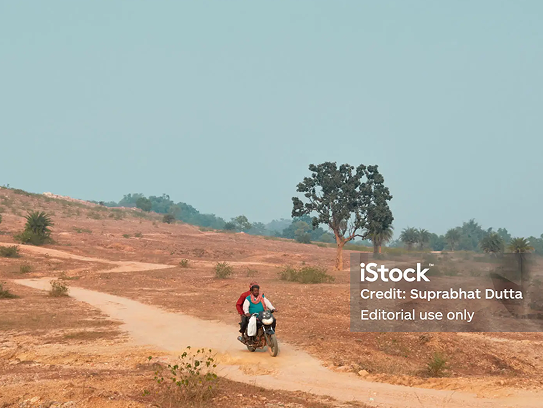
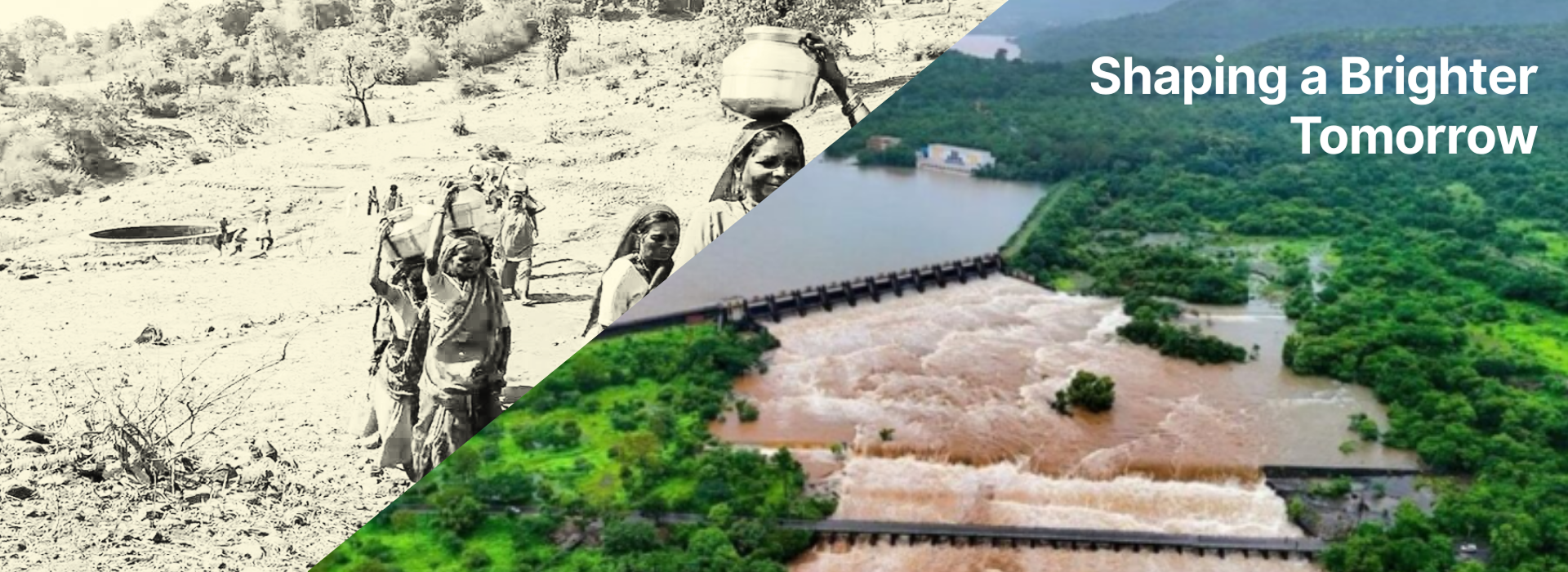
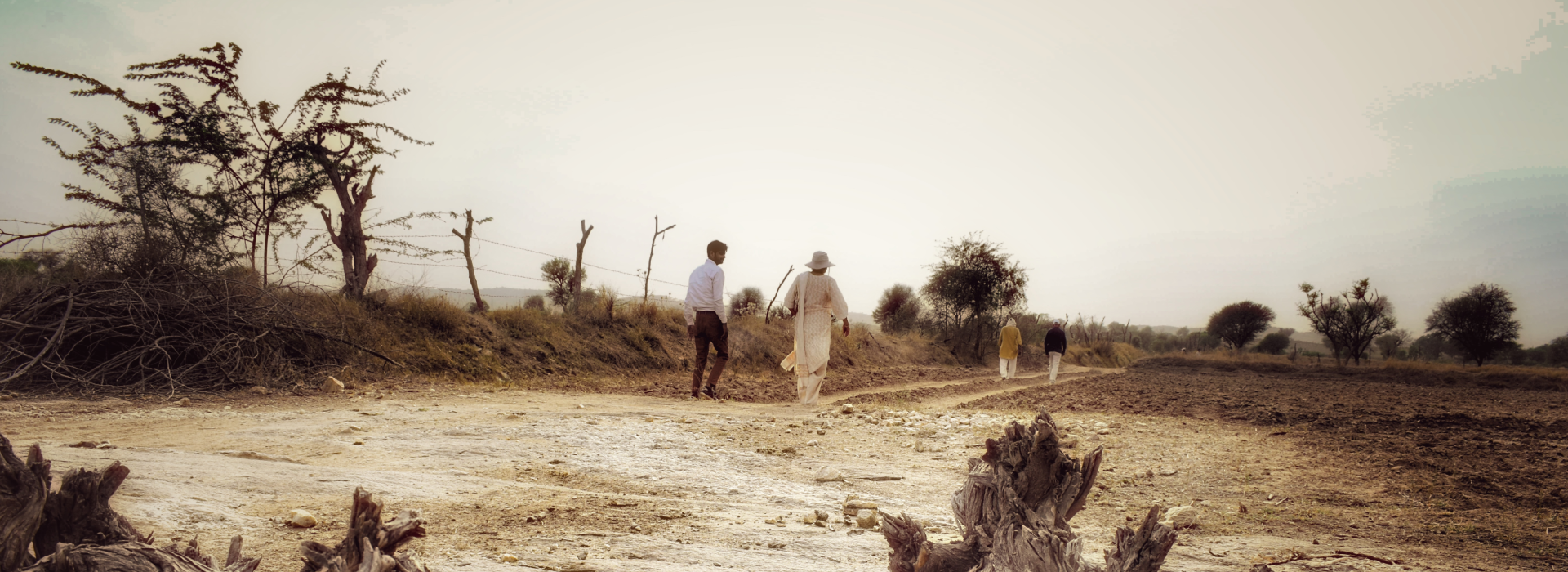
Fields lying dry and parched; villages silent and deserted; the able-bodied having left in search of work, leaving behind the old, the infirm, women, and children to fend for themselves with little or no ray of hope. Agriculture was entirely at the mercy of the monsoon and in regions with less than 12 inches of annual rainfall (mostly between July and September), that meant undependable incomes and years of hardship.
Wells, bore wells, and hand pumps often ran completely dry, especially during
summer. Groundwater levels had fallen so drastically that even the deepest
wells held very little water and dried up quickly. Women would walk miles
under the scorching sun, balancing heavy pots on their heads, just to fetch a few
litres of water for their families. Often, there was barely enough even for
drinking, let alone farming.
With no assured water, farming became a gamble. Monsoon crops failed often,
forcing men to migrate to cities for work. Families were separated, children
dropped out of school to help at home, and dreams withered away before they
could take root. The land, once fertile, lay barren; the environment degraded
completely.
We, living in cities, are far removed from this harsh reality. This was not living,
it was survival in conditions that felt medieval, with no infrastructure and not
even the most basic amenities.
Despite generations of poverty, there was hope. Villagers had the potential to
break free from the cycle of scarcity, but they were not immediately ready to
contribute to the cost of construction. Aakar Charitable Trust had to first
convince them explaining how the project would work, the long-term benefits,
and the transformation it could bring.
The idea behind this contribution was simple: when villagers invest their own
funds or material and labour (minimum 30% of the total cost) they gain a real
sense of ownership over the project. This stake in the structure ensures they
maintain it for years to come, prevents dependency on outside help, and
strengthens their dignity and self-confidence.
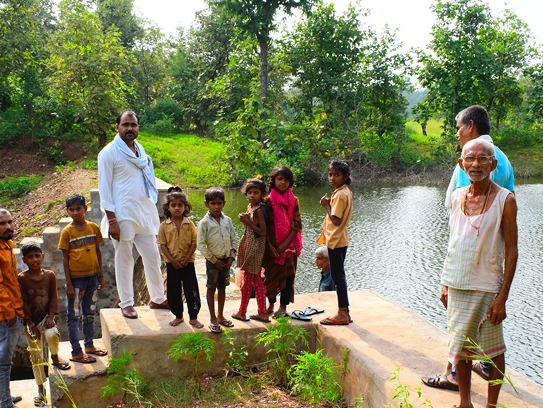
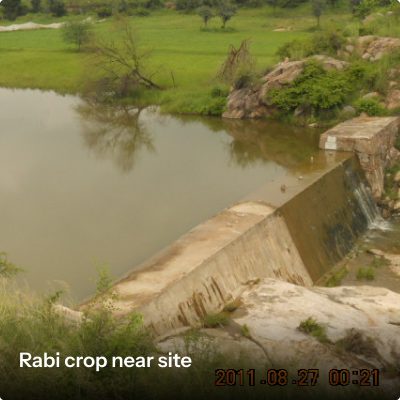
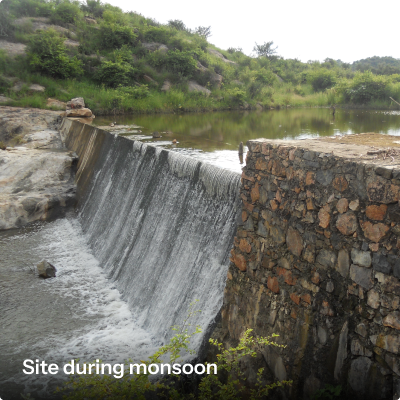
The check dams built by Aakar Charitable Trust became more than just water
structures, they revived ecology, restored livelihoods, and instilled a deep sense
of ownership. Villagers proudly maintained their dams by setting aside 2% of
their produce for repairs. In places where check dams were not geographically
possible, ponds were constructed to ensure similar benefits.
This empowerment extended beyond their own villages. Motivated by the
transformation they experienced, communities even offered monetary help to
neighbouring villages to build their own water bodies. From being dependent on
outside aid, they became leaders in change lifting not just themselves but also
those around them out of the rut of poverty.
Read More Read Less